Handling Narrow Stairs and Access Issues on George Lane
Posted on 18/06/2026
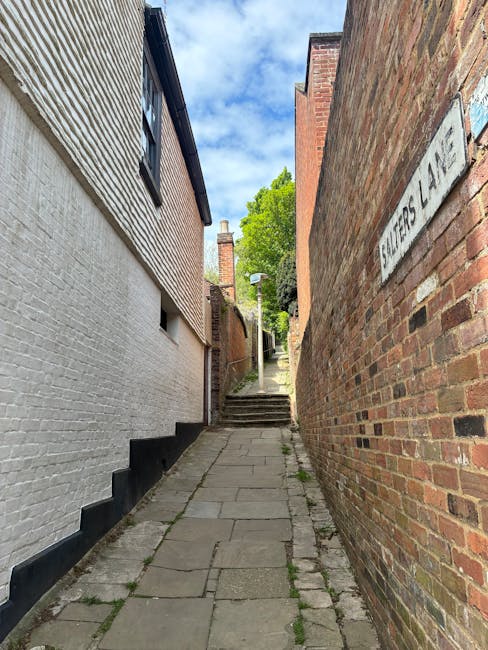
Moving in and out of homes along George Lane can look simple on a map and then suddenly turn awkward the moment you meet a tight stairwell, a sharp corner, or a landing that barely gives you room to breathe. That is exactly why Handling Narrow Stairs and Access Issues on George Lane deserves proper planning, not guesswork. Whether you are moving a sofa, a wardrobe, a mattress, or a box that somehow grew heavier overnight, access problems change the whole job. They affect timing, safety, labour, and even what can realistically fit through the building.
In this guide, you will find a clear, practical breakdown of what makes these moves tricky, how professionals usually approach them, and what you can do to reduce stress before moving day. We will also cover common mistakes, useful tools, and the sort of local access checks that save a lot of grief later. Let's face it: the stairs are usually where a move starts to feel real.
Why Handling Narrow Stairs and Access Issues on George Lane Matters
Narrow stairs are not just an inconvenience. They shape the whole moving plan. On George Lane, where homes, flats, and mixed-use buildings can vary a lot in layout, access is often the difference between a smooth move and a half-day of awkward turning, lifting, and re-checking measurements. A staircase that looks "probably fine" from the hallway can quickly become a bottleneck once a tall wardrobe, a bulky desk, or a corner sofa arrives.
It matters for three big reasons. First, safety: tight staircases increase the risk of slips, knocks, crushed fingers, and strained backs. Second, property protection: walls, banisters, paintwork, and door frames are easy to scuff when manoeuvring large items. Third, timing: what should take ten minutes can take forty-five if a delivery team has to rethink the route halfway through. That is not a dramatic claim; it is just how access problems behave in real life.
There is also a customer experience angle. People often book removals expecting the hard part to be the driving or the packing. Then the stairs appear. If access is dealt with properly in advance, the day feels calmer, more predictable, and less like a mini obstacle course. If you want a broader planning mindset for the whole move, the article on making house moving feel less chaotic is a useful companion read.
How Handling Narrow Stairs and Access Issues on George Lane Works
The process is part planning, part measurement, and part good judgement. In simple terms, you want to understand the route before anything heavy gets moved. That means checking stair width, ceiling height, landing space, corner turns, entrance door clearance, and the space outside the property where the van will stop. The more complete the picture, the fewer surprises on the day.
Professional movers usually start with a visual assessment, then compare the biggest items against the route. A mattress might look manageable until it meets a narrow turn. A chest of drawers may technically fit, but only if it is carried upright and rotated at the landing. Sometimes the solution is to remove legs, doors, or shelves. Sometimes it is to split the load, and sometimes it is to move the item via a different route altogether. Simple, but not always easy.
For particularly awkward pieces, the team may use extra hands, lifting straps, blanket wrapping, sliders, and careful "pivot" movements. The real skill is not brute force. It is knowing when to stop, reassess, and try a different angle. That sounds obvious, yet it is exactly where a lot of do-it-yourself moves go wrong. If you are planning heavier items, the guidance in the art and science behind kinetic lifting is worth a look because it explains why body position matters so much.
In many George Lane properties, access also includes outside factors. Is there room for the van to park close enough? Are there loading constraints? Is the hallway too tight for a trolley? A good access plan takes the whole journey into account, not just the staircase itself.
Key Benefits and Practical Advantages
Handling access properly brings benefits that are easy to feel on moving day, even if they are not always obvious when you are just making the booking.
- Fewer delays: when stairs and landings are measured properly, fewer items need to be reworked in the moment.
- Lower risk of damage: walls, railings, and furniture are less likely to be marked if the route is planned.
- Better use of labour: the team can bring the right number of people and the right kit from the start.
- Safer lifting: awkward angles and rushed carrying are where most strain happens.
- Less stress for you: you are not left making quick decisions while someone is standing on a landing with a sofa half-turned and no room to move. Not ideal.
There is also a practical money-saving benefit. Poor access planning can lead to longer labour time, last-minute changes, or the need for extra help that could have been arranged earlier. Nobody likes avoidable surprises. A clear access plan usually keeps the move more efficient and more predictable, which matters whether you are moving a small flat or a full house.
For people moving larger furniture, the service page for furniture removals in South Woodford can be helpful context because access and furniture handling often go hand in hand. Beds, wardrobes, sofas, and dining tables are exactly the items that expose narrow-stair problems quickly.
Who This Is For and When It Makes Sense
This approach makes sense for anyone moving where space is tight, but a few groups benefit especially.
- Flat movers: especially in upper floors, basement conversions, or older properties with tighter staircases.
- Families: when there is more furniture, more boxes, and less room to improvise.
- Students: often with limited access, shared buildings, and narrow internal routes. The page on student removals in South Woodford can be useful if you are trying to keep things simple and efficient.
- People moving bulky items: pianos, wardrobes, American-style fridge freezers, and large sofas.
- Anyone moving on a tight timeline: same-day jobs leave less room for trial and error.
It is also relevant if the building has shared access, awkward parking, or a stairwell that forces turning on each landing. Even a seemingly "normal" staircase can become a problem if bannisters are fixed tightly, ceilings slope, or the front door opens into a narrow corridor. A small detail can change the whole route. That is the sort of thing people only notice at the worst possible moment, usually while sweating slightly and pretending it is all under control.
If you are still deciding how much support you need, the overview at services overview can help you understand the broader moving options before you commit.
Step-by-Step Guidance
1. Measure everything that matters
Start with the stair width, landing depth, doorway clearance, and the dimensions of the largest item. Measure the actual route, not just the obvious opening. Corners are where confusion begins. If possible, note the height of any handrails, low ceilings, or tight turns. A tape measure and a few photos can save a lot of back-and-forth.
2. Identify the bulkiest items first
Do not begin with boxes. Begin with the awkward things. Sofas, beds, wardrobes, tables, and white goods are the items that determine the plan. If they fit, most of the rest is straightforward. If they do not, you need a new approach before moving day. For mattress-specific planning, see how to move a mattress and bed safely.
3. Decide whether dismantling helps
Some furniture is easier to move after partial dismantling. Removing legs, doors, shelves, or drawer units can make a big difference. But do not dismantle blindly. Keep screws, fittings, and labels together. A tiny sandwich bag with "wardrobe left door" written on it can feel gloriously sensible later.
4. Plan the carrying route from van to room
It is not enough to know the staircase inside the property. You also need to know where the van will park, where the item will be unloaded, and how far it has to travel before the first step. This is especially important on busier local roads, where stopping space can affect the whole pace of the move. For parking and loading considerations, the piece on best parking spots for removals on South Woodford High Rd gives useful context.
5. Use the right lifting method and equipment
Professional moves often rely on moving blankets, straps, gloves with grip, shoulder pads, and furniture sliders. Trolleys are useful, but only where steps and landings allow. For stairs, controlled hand-carrying is often safer than trying to force a trolley through a route it was never designed for. This is one of those times where "specialised equipment" means sensible equipment, not flashy kit.
6. Protect the property before movement starts
Cover door frames, lay down floor protection where needed, and keep corners clear. A small piece of cardboard or padding in the right place can prevent a very annoying chip in the paintwork. Once the route is safe, the whole job gets calmer.
7. Move in stages, not all at once
Send the easiest items first or move one item type at a time. That keeps the stairs clearer and reduces the chance of collisions. It also gives the team room to reset between loads. Slow is not the goal. Controlled is the goal.
Expert Tips for Better Results
Here are the small things that tend to make the biggest difference.
- Photograph the route. A quick set of hallway and staircase photos is often more useful than a verbal description.
- Check for hidden pinch points. Radiators, banisters, low light fittings, and awkward door swings can be the real issue.
- Empty drawers before moving. Even a half-full drawer changes the balance of a piece and makes stair work clumsier.
- Use gloves with grip. It sounds minor, but sweaty hands and polished furniture are a poor combination.
- Keep one person acting as spotter. On tighter staircases, it helps to have someone watching the corners rather than everyone carrying and guessing.
- Protect the item as well as the property. A blanket wrap is usually cheaper than repairing a dented table edge. Obvious, but worth saying.
One thing experienced movers learn quickly: if an item needs a second attempt, do not force the first plan just because you have already started it. Reposition, breathe, try again. Truth be told, the pause often saves more time than pushing through and hoping for the best.
If your move also involves packing, the detailed packing blueprint for moving homes pairs well with access planning because the way you pack can make stair carrying much easier or much worse.
Common Mistakes to Avoid
Most access problems are not caused by one huge failure. They come from a handful of small oversights stacking up.
- Assuming "it should fit". Should is not a measurement.
- Forgetting about corners. A sofa can be fine in a straight line and impossible at the turn.
- Overloading one person. Solo lifting is tempting when you are in a rush, but the risk rises fast. The article on managing heavy objects alone explains why that approach needs caution.
- Not checking parking first. If the van cannot stop close enough, everything else gets harder.
- Leaving dismantling until the last minute. That is when screws go missing and tempers get silly.
- Ignoring building rules or neighbour access concerns. Shared entrances need more care than people expect.
A more subtle mistake is packing boxes too heavy just because the box itself is small. Small box, enormous weight, painful stairs. A classic. For a more organised packing approach, see decluttering before moving and the practical packing and boxes support page before you start sealing everything shut.
Tools, Resources and Recommendations
You do not need a warehouse full of gear, but a few sensible tools make narrow-stair moves much easier.
| Tool or Resource | What it helps with | Best used for |
|---|---|---|
| Measuring tape | Checks stair width, door gaps, and landing space | Planning bulky furniture routes |
| Furniture blankets | Protects surfaces from scrapes and knocks | Sofas, tables, wardrobes, and bed frames |
| Grip gloves | Improves hold and reduces slips | Hand-carrying on stairs |
| Straps or harnesses | Helps distribute weight more evenly | Heavy, awkward loads with two movers |
| Floor protection | Reduces marks on hallways and stair treads | Shared buildings and polished interiors |
| Clear photos of the access route | Helps assess the job in advance | Quoting and planning before moving day |
If your move includes storage, it can make sense to move some items out of the way first rather than forcing everything through a tight stairwell in one go. The page on storage in South Woodford may help if you are staging the move over a few days or weeks. And if you are dealing with old items that should not go back into the property, the advice on removing bulky waste is genuinely practical.
Law, Compliance, Standards, or Best Practice
For household moves, there is usually no complicated legal process just because the stairs are narrow, but there are still important standards to respect. In the UK, moving safely is largely about following reasonable manual handling best practice, protecting property, and avoiding preventable harm. If a mover is using staff, they should think carefully about load weight, route planning, team lifting, and how to reduce strain during repeated carries.
Health and safety is not there to make things fussy. It is there because stairs are a genuine risk point. Good practice usually includes pre-move assessment, suitable footwear, communication between team members, and stopping if a lift looks unstable. If access is especially awkward, the job may need extra manpower or a different method rather than a heroic effort. Heroics are overrated here.
Buildings with shared access may also have their own rules around loading, hallway use, lift booking, or quiet hours. It is wise to check building management guidance in advance so you are not relying on a last-minute apology in the lobby. For broader company standards and practical reassurance, you can review the health and safety policy, the insurance and safety information, and the accessibility statement. These pages help set expectations around safe, considered service.
Options, Methods, or Comparison Table
There is more than one way to handle a staircase problem. The right method depends on the item, the building, and how much risk you want to take on.
| Method | Best for | Strengths | Limitations |
|---|---|---|---|
| Manual carry with two movers | Most furniture on tight stairs | Flexible, controlled, adaptable on landings | Needs coordination and enough people |
| Dismantling before the move | Wardrobes, bed frames, desks | Reduces width and awkward angles | Requires careful reassembly later |
| Staged move via storage | Large moves or awkward access | Reduces pressure on moving day | May add extra time and planning |
| Specialist handling for fragile items | Pianos, antiques, delicate furniture | Better protection and route control | Often needs specialist experience |
| Same-day flexible response | Unexpected access problems or timing changes | Useful when plans change fast | Less room for long preparation |
For items like pianos, it is rarely worth improvising. The moving article why piano moving is not a solo job explains the logic well: weight, balance, and fragility all collide in a staircase, and the result can be messy very quickly. Same for beds and mattresses, by the way. They look harmless until they have to make a corner.

Case Study or Real-World Example
Here is a realistic example from a typical George Lane-style move. A couple was moving from a first-floor flat with a narrow internal stairwell and a tighter-than-expected front entrance. Their biggest concerns were a sofa, a double mattress, and a tall shelving unit. At first glance, everything seemed manageable. Then they measured the landing. That changed the plan.
The shelving unit was dismantled into two sections. The sofa was blanket-wrapped and carried with one person guiding at the front and another controlling the rear angle on the stairs. The mattress was moved upright rather than flat, which made the turn easier. The whole move took a bit longer than a broad, easy staircase would have allowed, but there were no wall scuffs, no dropped corners, and no last-minute panic. That matters more than shaving off ten minutes here and there.
The interesting part was not the lifting. It was the preparation. Once the access route had been photographed, measured, and cleared, the actual moving day felt calm enough that the couple could focus on the new place instead of worrying about the stairwell. Small win, big relief.
If the move had involved a more complex property, such as a flat with storage needs or a staged exit, the local guidance in moving out of Snaresbrook Estate or the advice on packing and storing near South Woodford Tube would have been especially relevant. Access issues often travel with storage and timing decisions, not just lifting ones.
Practical Checklist
Use this before moving day. It is simple, but it catches a lot.
- Measure the stair width, landings, doors, and the largest furniture pieces.
- Take clear photos of the entrance, staircase, and hallway.
- Confirm where the van can park and unload.
- Decide which items need dismantling before the move.
- Remove drawers, loose shelves, and fragile contents from large furniture.
- Protect floors, door frames, and bannisters with suitable coverings.
- Keep tools, screws, and small fittings in labelled bags.
- Check whether any item needs specialist handling.
- Make sure pathways inside the home are clear of shoes, bins, and random clutter.
- Allow extra time for awkward turns, shared entrances, or older buildings.
- Brief everyone involved so they know the order of movement.
- Have a backup plan for items that do not fit as expected.
And one little thing: leave yourself enough time to breathe. Tight access makes people rush. Rushing is where accidents start.
Get a free quote today and see how much you can save.
Conclusion
Handling narrow stairs and access issues on George Lane is really about combining preparation, calm judgement, and the right moving method for the property in front of you. Measure early. Photograph the route. Think about parking, turning space, and awkward furniture before anything is lifted. If you do that, the move becomes far more manageable, and often a lot less tiring than people expect.
Most access problems are not dramatic on their own. They are just a chain of little obstacles that stack up if you ignore them. The good news is that almost all of them can be reduced with planning, sensible packing, and a bit of experience. It does not need to be perfect. It just needs to be thought through.
And honestly, once the last awkward item is through that narrow stairwell, the relief is enormous. You can hear the flat settle again. The hard part is done.